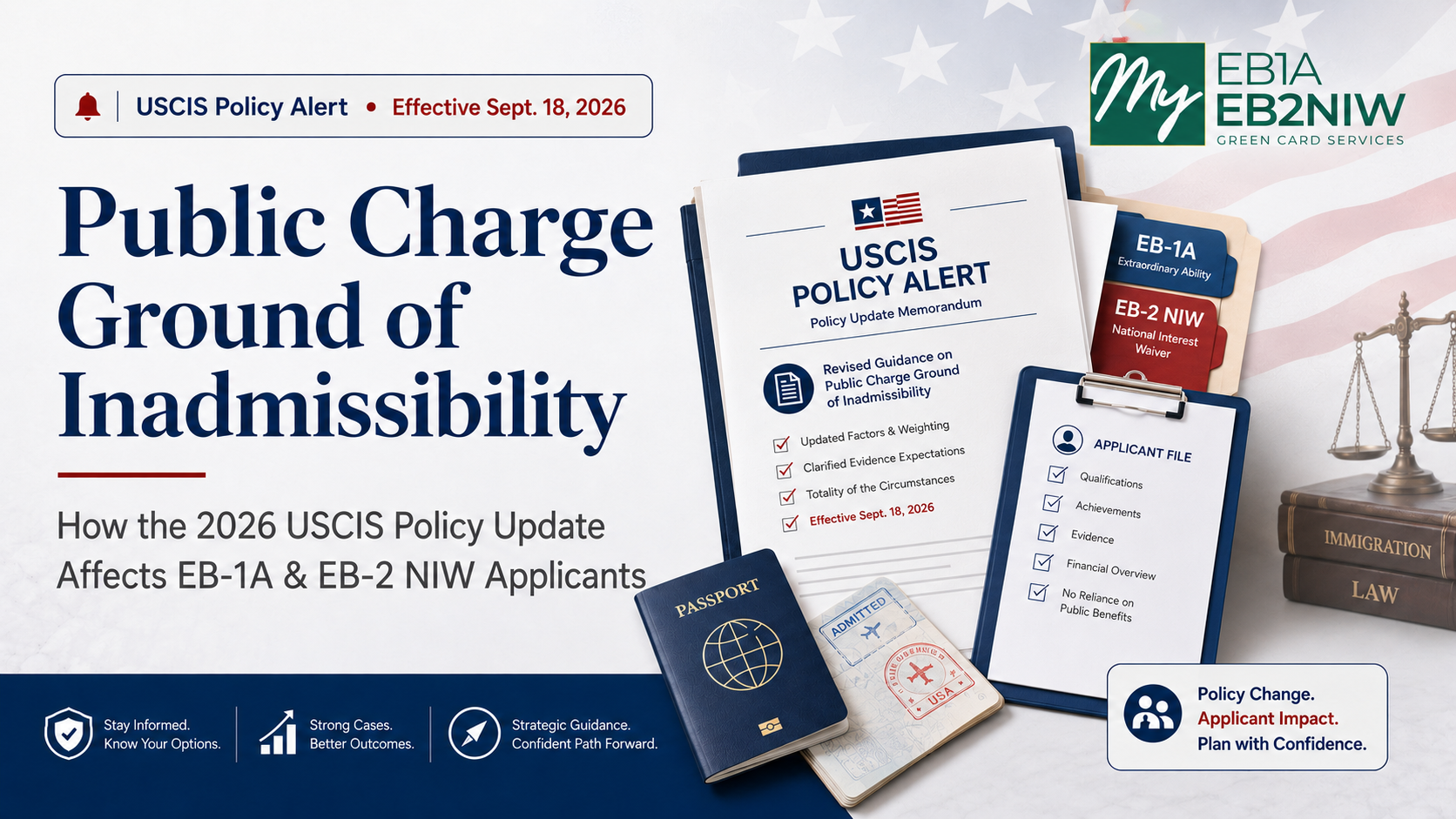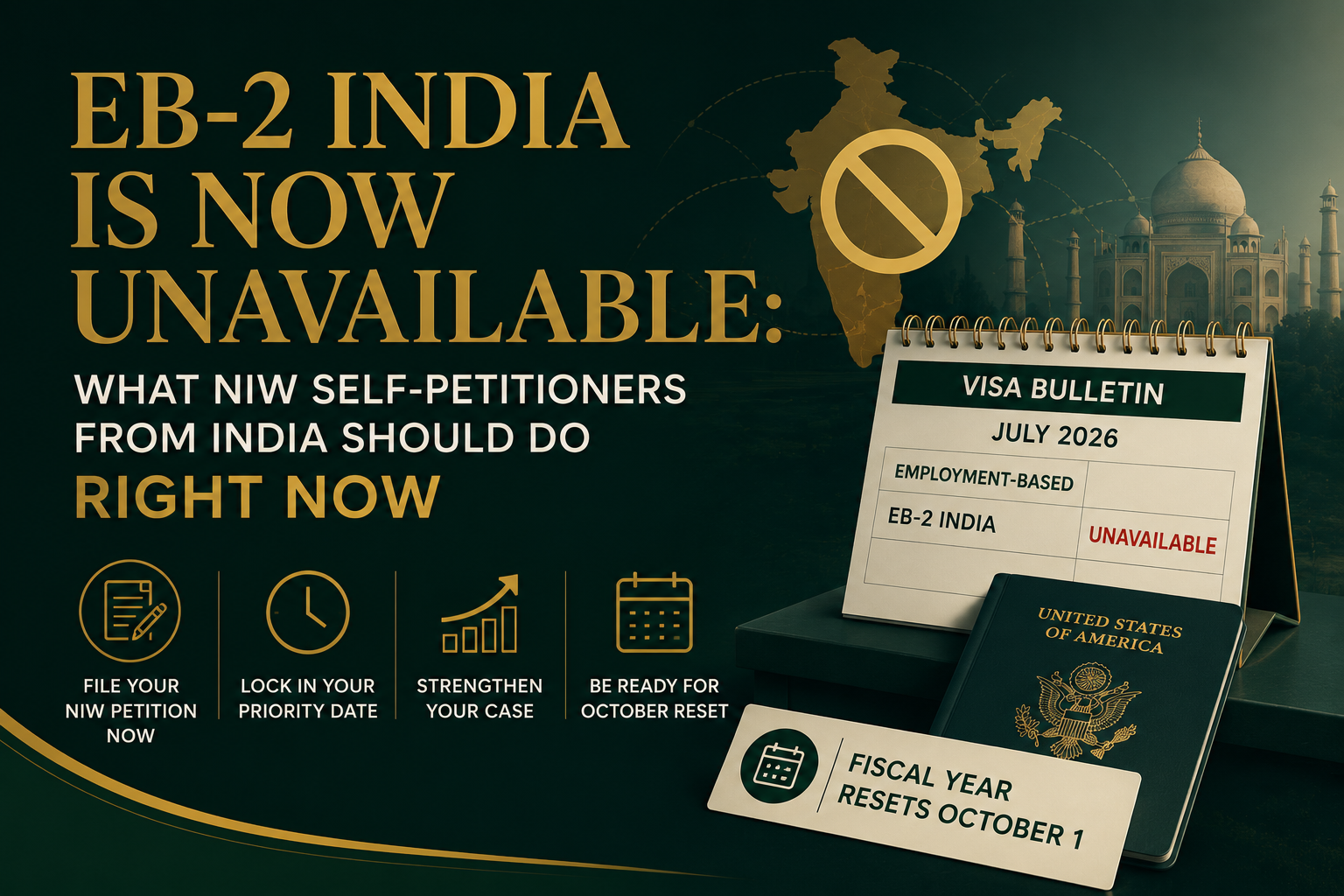
In a major policy shift, the U.S. Citizenship and Immigration Services (USCIS) has announced new national-security guidelines that will significantly affect immigrants from 19 designated “high-risk” countries.
Under this new framework, immigration officers are now authorized to treat an applicant’s country of origin as a “significant negative factor” in the adjudication of many discretionary immigration benefits—including green cards, asylum, parole, and certain adjustment applications.
This update follows heightened national-security concerns and comes shortly after the National Guard shooting in Washington, D.C., involving an Afghan national.
Below is a breakdown of what the policy means, who it affects, and how applicants should prepare.
Who Is Affected?
USCIS has identified 19 countries whose nationals will face increased scrutiny. These countries fall under two categories: Full Suspension and Partial Suspension, each carrying different levels of impact.
Full Suspension Countries (12)
Nationals from these countries will face the highest level of scrutiny, as these nations are considered to have significant security and identity-verification challenges:
-
Afghanistan
-
Burma (Myanmar)
-
Chad
-
Republic of the Congo
-
Equatorial Guinea
-
Eritrea
-
Haiti
-
Iran
-
Libya
-
Somalia
-
Sudan
-
Yemen
Partial Suspension Countries (7)
These countries face moderate but still serious limitations under the new guidance:
-
Burundi
-
Cuba
-
Laos
-
Sierra Leone
-
Togo
-
Turkmenistan
-
Venezuela
What the New Policy Means
Starting November 27, 2025, the following changes apply to both pending and future cases:
1. Country of Origin Can Count Against You
USCIS officers are now explicitly allowed to consider the security risks associated with your home country when deciding your case.
2. Increased Denials for Discretionary Benefits
Applications such as green cards, travel documents, parole, and certain humanitarian programs will undergo deeper evaluation.
3. Expanded Authority for Adjudicators
Officers now have broader discretion to deny applications based on concerns tied to national-level risks—even if the applicant personally has no adverse history.
4. Alignment With Presidential Proclamation 10949
This policy directly mirrors earlier restrictions that targeted entry from these same 19 countries, bringing both entry and adjudication rules into alignment.
How This Impacts Green Card Applicants
If you’re pursuing paths like EB1A or EB2-NIW, this policy may affect how your case is evaluated, especially if you are from one of the listed countries.
While these categories remain strong routes, applicants will need:
-
Stronger evidence
-
More structured petitions
-
Clear explanations addressing national interest or extraordinary ability
-
A proactive legal strategy to offset negative country-of-origin factors
What You Should Do Now
If you are from one of the affected countries, acting early is crucial. Strong documentation and a strategic approach can help you navigate the enhanced scrutiny.
If you need clarity on your options or want an expert review of your green card strategy, you can contact us today: https://myeb2niw.com/links
Contact Us for EB-2 NIW Assistance
Reach out to our experienced team to learn how we can help guide you through the EB-2 NIW green card application process and achieve your goals. Our services are tailored to support your Employment-Based Second Preference National Interest Waiver (EB-2 NIW) application from start to finish.
Begin with a Consultation Call
Initiate the journey by scheduling a consultation call with our experts today.
Working Hours
Our team is available from 9 am to 5 pm Central Time to assist you with your EB-2 NIW application needs.